
NAD vs MOTS-c: What’s the Difference?
NAD+ and MOTS-c are both discussed in the world of metabolic and cellular health, but they are not the same. Understanding the difference can help you explore which approach may be more appropriate for your goals.
Provider-guided care for energy, metabolism, recovery, and healthy aging.
NAD and MOTS-c: Two Different Approaches to Cellular Support
Although NAD and MOTS-c are often discussed together, they work differently in the body.
NAD (Nicotinamide Adenine Dinucleotide) is a coenzyme found in every cell of the body. It plays a central role in cellular energy production, metabolism, mitochondrial function, and cellular repair. It is not a peptide.
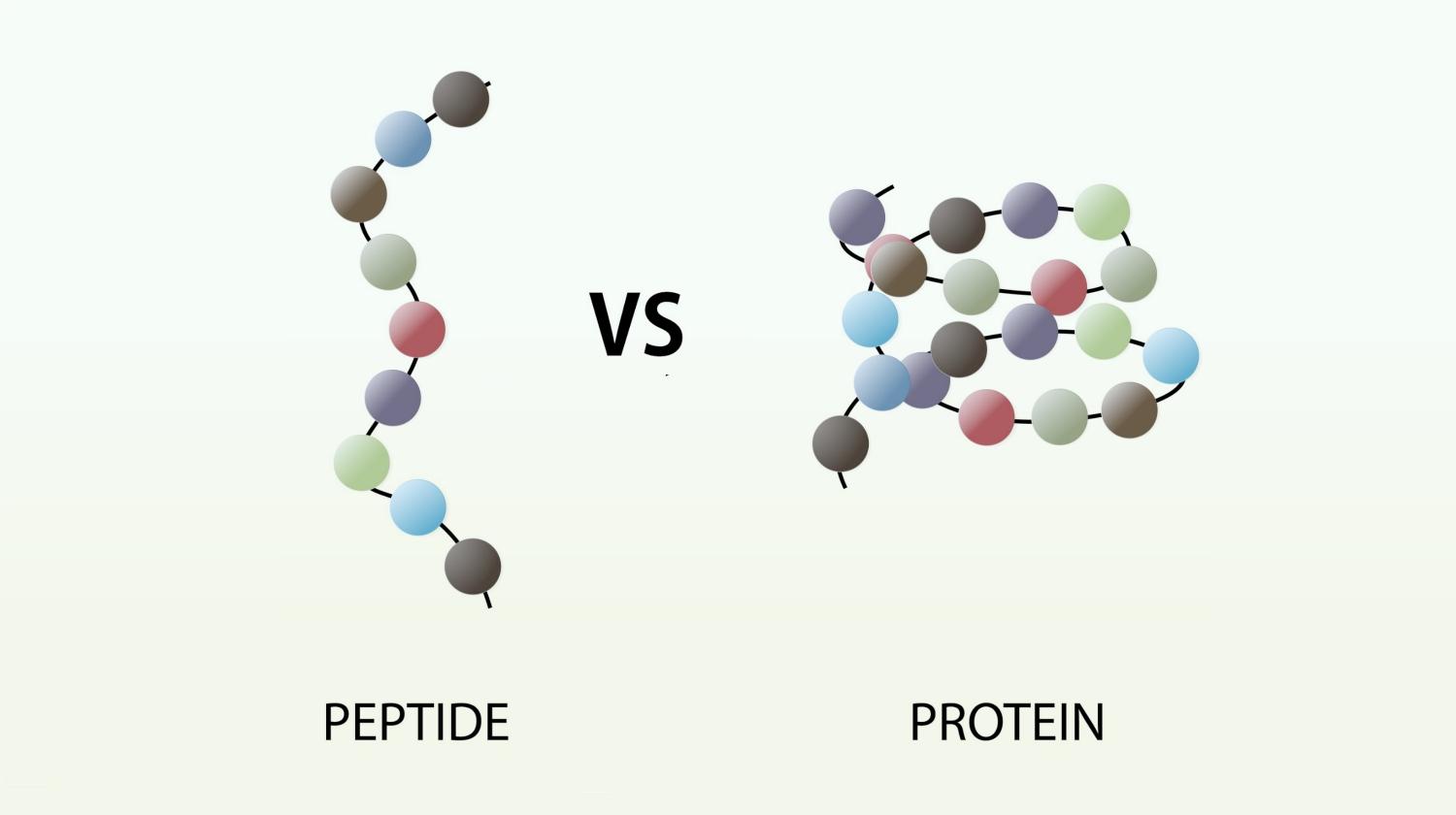
MOTS-c is a mitochondrial-derived peptide that has been studied for its potential role in metabolic regulation, exercise signaling, and cellular stress response.
Both are connected to mitochondrial health and energy metabolism, but they are distinct compounds with different mechanisms.
What Is NAD?
NAD is essential for many normal cellular functions. It helps the body convert nutrients into energy and supports processes involved in repair, metabolism, and healthy aging.
As NAD+ levels naturally decline with age, some people begin to notice:
- Lower energy
- Brain fog
- Slower recovery
- Changes in metabolic function
- Reduced overall vitality
NAD therapy is commonly used to support energy, mental clarity, metabolism, and cellular function under provider supervision.
What Is MOTS-c?
MOTS-c is a peptide associated with mitochondrial signaling. It has been studied for its potential effects on metabolic pathways, exercise response, and how the body adapts to cellular stress.
People interested in MOTS-c are often looking for support in areas such as:
- Metabolic health
- Energy utilization
- Exercise performance
- Healthy aging
- Cellular resilience
Because MOTS-c is a peptide, it is different from NAD in both structure and function.
NAD vs MOTS-c: Key Differences
NAD
- A naturally occurring coenzyme
- Found in every cell of the body
- Often discussed in relation to energy, focus, metabolism, and cellular repair
- Commonly used for fatigue, brain fog, and healthy aging support
MOTS-c
- A mitochondrial-derived peptide
- Studied for metabolic signaling and cellular stress adaptation
- Often discussed in relation to exercise, metabolism, and cellular resilience
- May appeal to those focused on performance, metabolic support, or healthy aging
Simple takeaway
NAD is generally more associated with cellular energy and mental clarity, while MOTS-c is often discussed more in relation to metabolic signaling and mitochondrial adaptation.
Which One Is Better?
There is no one-size-fits-all answer.
The better option depends on your goals, symptoms, medical history, and what kind of support you are looking for.
For example:
- If your main concerns are fatigue, brain fog, and low mental energy, NAD+ may be the more relevant starting point.
- If your focus is more on metabolic function, exercise adaptation, or mitochondrial signaling, MOTS-c may be part of that conversation.
In some cases, a provider may determine that a broader plan makes more sense than focusing on a single therapy alone.
The Bridgeside Difference
At Bridgeside Telehealth, we provide clinically guided NAD+ therapy in over 40 states designed to help you:
- Restore natural energy levels
- Improve focus and performance
- Support long-term metabolic health
All treatments are provider-supervised, with transparent pricing and no hidden fees.
SAFETY + HONESTY
Many peptides are not FDA approved for specific conditions, and clinical experience is still evolving. We believe in being transparent about this. Every patient is evaluated individually and therapy is only recommended when appropriate.
HOW IT WORKS:
- Consultation
- Provider Review
- Prescription (if appropriate)
- Pharmacy Fullfillment
Schedule a consultation here:
Frequently Asked Questions
Is NAD+ the same as MOTS-c?
No. NAD+ is a coenzyme found in every cell of the body, while MOTS-c is a mitochondrial-derived peptide.
Which is better for brain fog?
NAD+ is more commonly discussed in relation to energy, focus, and mental clarity.
Which is better for metabolism?
Both may be discussed in the context of metabolic health, but they work differently and should not be considered interchangeable.
Is MOTS-c a peptide?
Yes. MOTS-c is a peptide associated with mitochondrial signaling.
Is NAD+ a peptide?
No. NAD+ is not a peptide. It is a coenzyme involved in energy production and cellular function.
Do I need a consultation first?
Yes. All patients should be evaluated by a provider before treatment is recommended.
Not Sure Whether NAD+ or MOTS-c Makes More Sense?
You do not have to figure it out alone. A provider-guided consultation can help you explore the most appropriate option based on your goals and symptoms.